Somewhere between the newsletters and the parents' WhatsApp group, you have probably heard that South African schools are getting a new subject: Coding and Robotics. What you have probably not heard is a straight answer to the obvious questions. Is it real? When does it start? What will my child actually do in that classroom? And do they need to know anything before it arrives? Here is the plain version, from a store that supplies the kits.
The short answer
- Yes, it is real. The Coding and Robotics curriculum for Grades R to 9 was officially gazetted in June 2024.
- The national rollout is phased and has been delayed, but schools with the resources are allowed to teach it already, and many are.
- You do not have to wait for the school. A child who has built a few real circuits at home walks into that first lesson confident. That head start costs R599.

What exactly is the Coding and Robotics subject?
It is a new school subject developed by the Department of Basic Education for Grades R to 9, sitting alongside the subjects you grew up with. The goal is not to turn every child into a programmer. It is to teach the way of thinking behind technology: breaking problems into steps, giving precise instructions, testing, failing, and fixing. Educators call it computational thinking. Kids call it "making the robot do the thing".
The curriculum covers pattern thinking and algorithms in the early grades, then builds toward block-based coding, electronics and actual robotics projects in the senior phase. By Grade 9 the subject touches the same territory a hobbyist covers with a starter kit: circuits, sensors, code and small builds.
Where the rollout stands in 2026, honestly
This is where the confusion lives, so here is the honest picture. The curricula for all grades were gazetted in June 2024, which makes the subject official. The plan was to start the foundation phase nationally in 2026, but that rollout has been pushed out: the department's stated priority is improving literacy and numeracy first, and many schools do not yet have the equipment or trained teachers.
Two things follow from that. First, schools that do have the resources may teach it now, because the curriculum is gazetted, and a growing number of schools, especially independent ones, are doing exactly that. Second, the early grades were deliberately designed to be "unplugged", meaning no computers are needed: children learn sequencing and instructions through games and patterns. The expensive kit-based work only arrives in later grades.
So the real answer to "when does my child get this subject?" is: it depends on your school. Some are already running it. Most are waiting on the national timetable. Which is exactly why the next section matters.
What the subject grows into
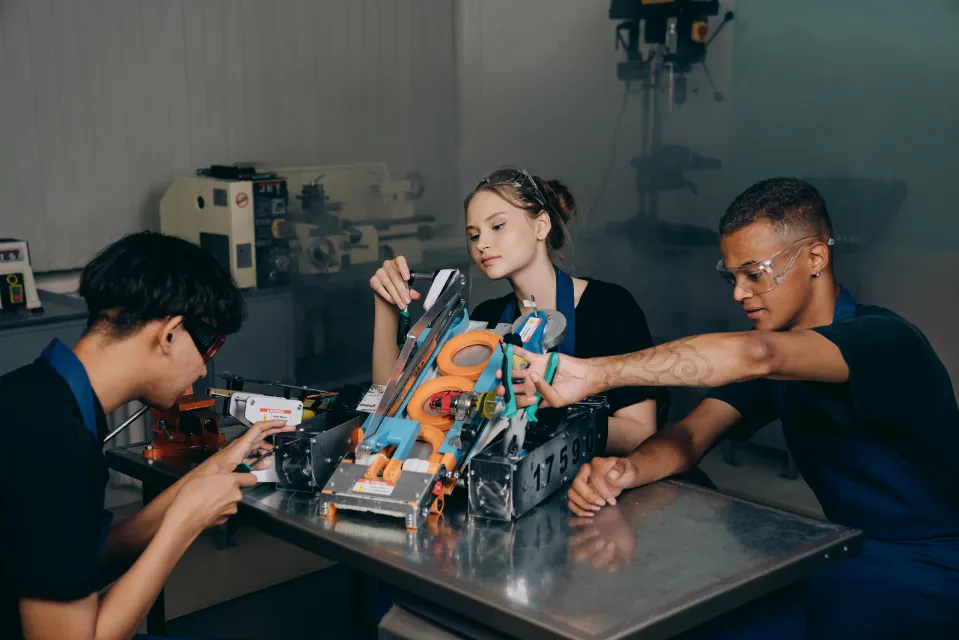
It helps to see where this is heading. A child who starts with unplugged pattern games in Grade R is, by the senior grades, wiring sensors, writing real code and building machines that move. Beyond school there are robotics clubs and competitions where teams design and build far more serious machines. The learners in those workshops all started the same way: one small circuit that worked, and the confidence that came with it.
Where does "STEM" fit into all this?

You will see the word STEM everywhere around this topic. It is simply the umbrella term for Science, Technology, Engineering and Mathematics. Coding and Robotics is the school subject; STEM is the wider world it belongs to. A robotics kit is beautiful STEM education precisely because it refuses to stay in one lane: building the circuit is engineering, the sensor is science, the code is technology, and the debugging, quietly, is mathematics.
How to give your child a head start at home
Here is the practical part. Whether your school starts the subject next term or in three years, the children who thrive in it will be the ones who have already made something real work with their own hands. That does not require a school. It requires one box and a few weekends.
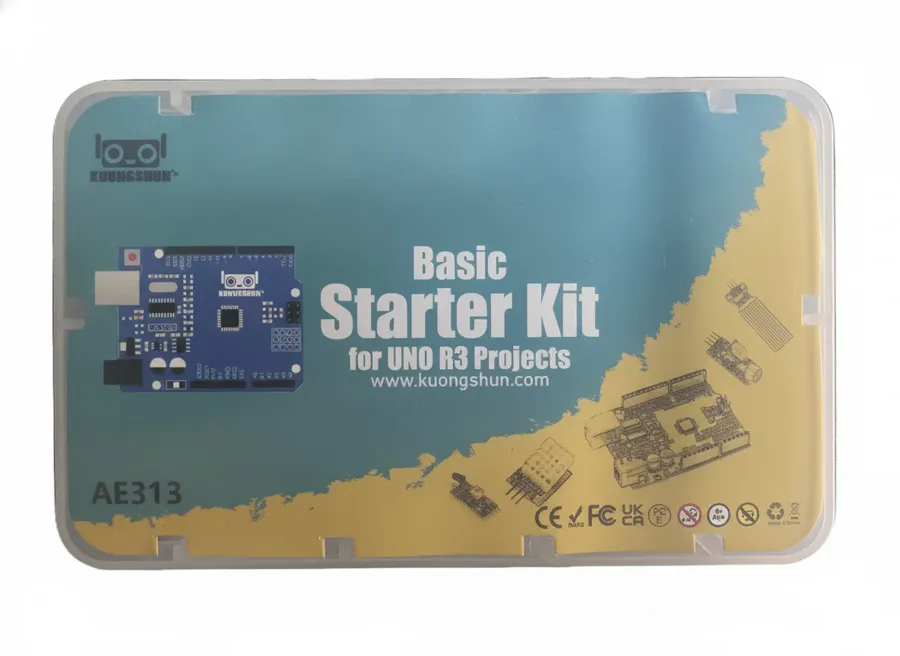
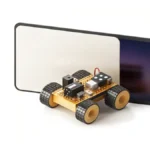
Beginner Robotics Kit with 12 Lessons
A complete Arduino starter kit with twelve online lessons written for complete beginners aged 8 to 12. No experience needed, no soldering, and a certificate of completion that anyone can verify online.
The lessons cover the same ground the senior-phase curriculum reaches for: circuits, sensors, real code, and a final build your child designs from a specification. If you want to see the teaching style before spending anything, we keep one full lesson free. And if you are weighing options, we wrote guides on choosing a first robotics kit and on smart home and smart farm kits for the step after that.
If you are a teacher or principal reading this
You have the harder version of the problem: a gazetted subject, a budget, and possibly no specialist teacher. That gap is exactly what we build for. Our lessons are written so the guide carries the teaching, a teacher new to the subject can run the class, and kits are shared between benches to bring the per-learner cost down. We quote class sets, spares and teacher materials for South African schools: start on our schools page or talk to us directly.
Questions parents ask us about the subject
Is Coding and Robotics compulsory in South African schools?
The curriculum for Grades R to 9 is officially gazetted, but the national rollout is phased and has been delayed, so whether your child is taught it now depends on the school. Schools with resources are allowed to implement it already.
Does my child need a computer for this subject?
Not in the early grades. The foundation phase curriculum is deliberately unplugged: children learn sequencing and instructions through games and patterns, no devices needed. Computers and kits enter in the later grades.
How can I prepare my child at home?
Hands-on beats theory at this age. A beginner robotics kit with proper lessons, like the GAMERIFT R599 Beginner Kit, teaches the circuits, sensors and code the subject builds toward, and a child who has already made something real work walks into the classroom confident.
The short version
Coding and Robotics is real, gazetted, and coming to your child's school on a timetable nobody can quite promise. The children who will love it are the ones who arrive already knowing the feeling of making something work. You can give your child that feeling this weekend, for less than a pair of school shoes, and if you are not sure where to start, ask us. A real person reads every message.
Get the Beginner Kit R599 School class sets Explore Robotics & Coding